When Life Gets Heavy: Eight Ways Your Church Family Carries the Weight With You
Nobody schedules a crisis. A job disappears on a Tuesday morning. A diagnosis arrives in a sterile office. A marriage fractures quietly over months until it shatters all at once. Grief, uncertainty, and exhaustion are not respecters of calendar or convenience, and they have a particular way of making the world feel very small and very isolating.
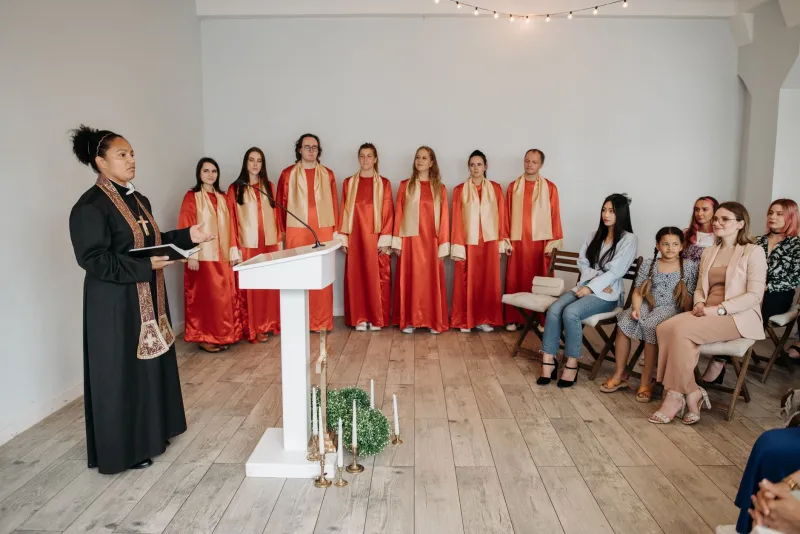
What many people discover — sometimes for the first time, sometimes after years away from a congregation — is that a living, active faith community offers something that no app, self-help book, or well-meaning social media thread can fully replicate: the steady, embodied presence of people who genuinely care. At First UMC Geneva, that presence is not incidental to who we are. It is, in the deepest sense, our calling.
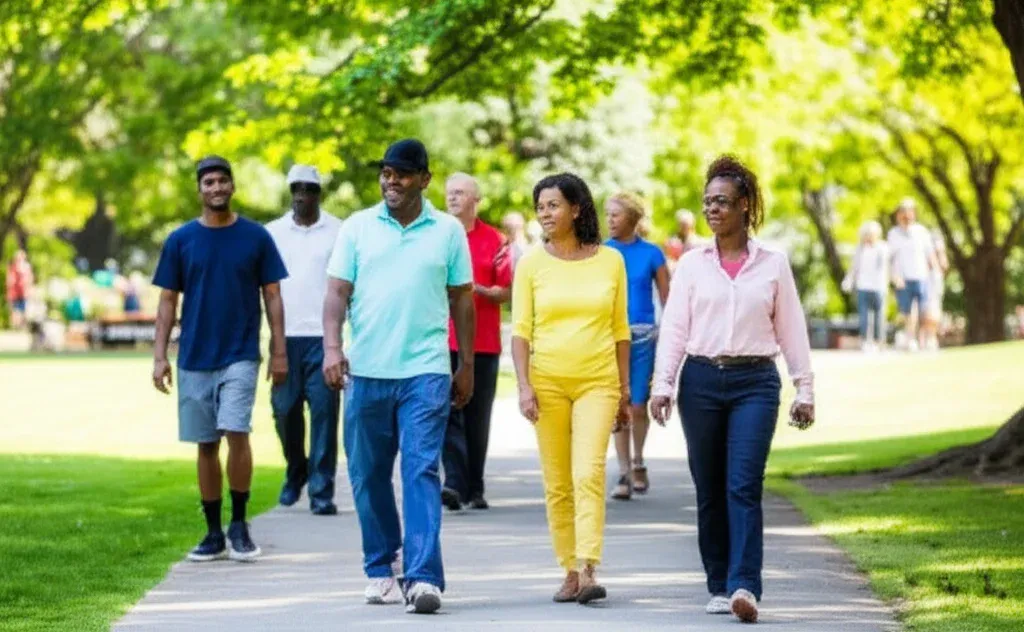 Photo: First UMC Geneva, via www.walkathonbenefits.com
The Methodist tradition has always insisted that grace is not earned, hoarded, or reserved for the spiritually polished. It flows freely, and it flows through people toward one another. Below are eight concrete ways that a church community — and ours in particular — can walk alongside you when life grows most difficult.
1. Pastoral Counseling That Meets You Where You Are
One of the most underutilized resources in any congregation is direct pastoral care. Our clergy at First UMC Geneva are trained not only in theology but in the art of compassionate listening. Whether you are navigating a significant loss, wrestling with a spiritual question that keeps you up at night, or simply feeling unmoored, a confidential conversation with a pastor can provide both practical perspective and the kind of soul-deep reassurance that is hard to find elsewhere. You do not need to be a member, and you do not need to have it all figured out before you reach out.
2. Small Groups That Refuse to Let You Disappear
There is a meaningful difference between attending a large worship service and belonging to a small group. Our small group ministry creates intentional circles of six to twelve people who meet regularly — sometimes weekly — to study, pray, share, and simply check in on one another. When a member of a small group loses a spouse, loses a job, or loses their sense of direction, the group notices. They show up. That accountability and intimacy can be genuinely life-changing, particularly for individuals who have grown accustomed to navigating hardship in silence.
3. A Meals Ministry That Says "You Are Not Forgotten"
Food is one of the oldest languages of care. Our meals ministry coordinates home-cooked and restaurant-quality meals for families navigating illness, new parenthood, surgical recovery, or bereavement. There is something profound about opening your front door to find a neighbor standing there with a casserole and a warm smile — no agenda, no expectation, just love made tangible. For many recipients, it is not just the food that nourishes them. It is the reminder that someone thought of them today.
4. Grief Support That Honors Every Kind of Loss
American culture is notoriously uncomfortable with grief. We tend to give people a week, perhaps two, before we quietly expect them to resume normal functioning. Faith communities operate on a different timetable — one that acknowledges grief as a long, nonlinear process deserving of sustained companionship. First UMC Geneva offers dedicated grief support gatherings where individuals who have experienced loss of any kind — a loved one, a relationship, a sense of identity — can speak honestly without fear of judgment or the pressure to perform recovery.
5. Financial Guidance Rooted in Dignity
Job loss and financial hardship carry a particular weight of shame in our culture, and that shame often prevents people from seeking the help they genuinely need. Our congregation connects members and community neighbors alike with trusted resources for financial counseling, emergency assistance programs, and referrals to local and regional support agencies. The approach is always one of dignity — the belief that a temporary setback does not define a person's worth or potential.
6. Children and Family Programming That Stabilizes the Whole Household
When adults are struggling, children feel it — even when parents work hard to shield them. Consistent, nurturing programming for children and youth provides a sense of stability and belonging that extends well beyond Sunday morning. Knowing that your child has trusted adult mentors, a safe space to ask big questions, and a community of peers who share similar values can relieve enormous pressure from parents who are already carrying a great deal.
7. Prayer Networks That Work Around the Clock
Prayer may be the most ancient form of community support, and it remains one of the most powerful. Our prayer chain and intercessory prayer network means that when you share a need — privately or with the broader congregation — dozens of people are actively holding you in thought and intention. For those who are skeptical about the mechanics of prayer, consider this: being genuinely prayed for by name, by real people who know your face and your story, is an act of profound human solidarity regardless of one's theological framework.
8. A Place to Belong Before You Believe
Perhaps the most radical thing a progressive Methodist congregation can offer is this: you do not have to have your faith settled, your doubts resolved, or your spiritual biography tidy to belong here. First UMC Geneva has long held that belonging precedes belief — that community itself is often what makes faith possible. If you are in a hard season and you are not sure what you believe about God, the universe, or your own future, you are still welcome at this table. Completely and without condition.
Grace Is Not a Reward — It Is a Starting Point
John Wesley, the founder of Methodism, spoke often of prevenient grace — the idea that God's love and care reach toward us before we have done anything to deserve them. That theological conviction shapes everything about how First UMC Geneva approaches community care. We do not wait for people to prove their worthiness before offering support. We extend the hand first.
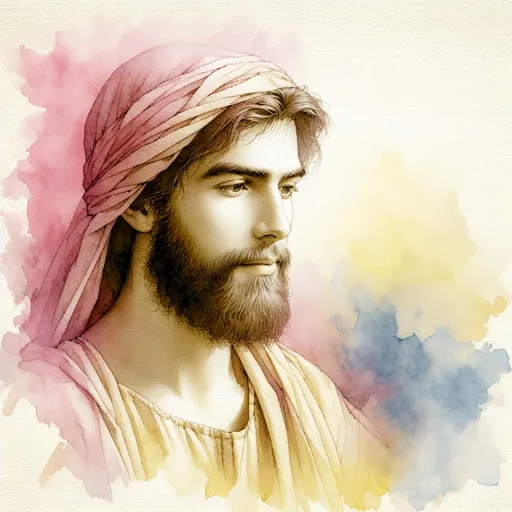 Photo: John Wesley, via media.bible.art
If you are in a difficult season right now — or if you sense one approaching — we want you to know that this community exists for exactly this moment. You do not have to navigate it alone. We have walked alongside grieving parents, displaced workers, exhausted caregivers, and questioning souls, and we will walk alongside you too.
Reach out. Show up. Or simply sit in the back pew and let the music hold you for a while. Grace, as we understand it here in Geneva, has room for all of it.