Bring a Dish, Build a Kingdom: How the Humble Potluck Is Becoming an Act of Radical Faith in Geneva
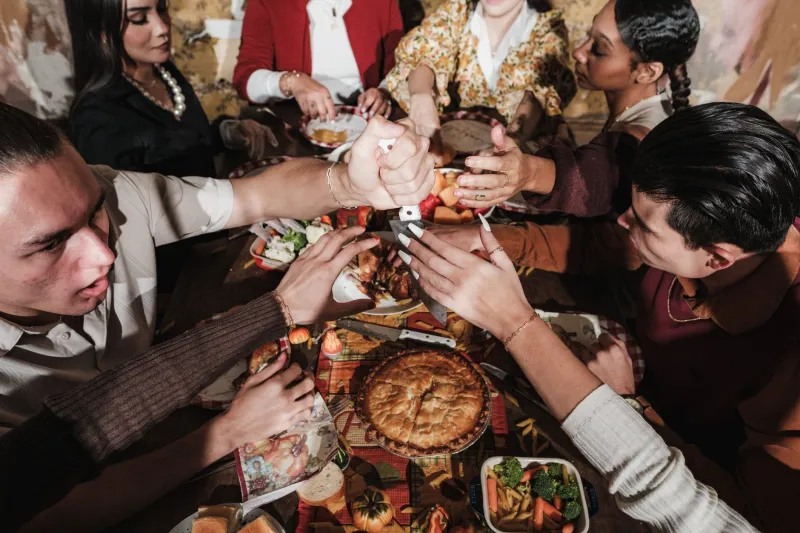
There is something almost subversive about a folding table covered in casserole dishes.
In an era when most Americans eat more meals alone than with others, when food has become either a luxury brand or a source of anxiety, when community is increasingly something we scroll through rather than inhabit — the church potluck stands as a quiet, almost defiant declaration. We have enough. We are enough. Come and eat.
At First UMC Geneva and several neighboring congregations across the city, that declaration is growing louder. Potluck gatherings — distinct from the fellowship meals that follow Sunday worship — are being deliberately revived as planned, intentional community events. And the people organizing them will tell you, without hesitation, that something sacred happens when a congregation brings food to share.
A Tradition Older Than the Church Building
The potluck has roots that run deeper than most Americans realize. Long before it acquired its cheerful, slightly chaotic reputation, the practice of communal eating was woven into the fabric of religious life across cultures and centuries. The earliest Christian communities gathered around shared tables — the agape feast, or love feast, was a central expression of what it meant to belong to the body of Christ. Methodist founder John Wesley himself emphasized the communal meal as a site of spiritual formation, not merely social convenience.
In the American context, church potlucks became a cornerstone of congregational life throughout the nineteenth and twentieth centuries, particularly in small towns and rural communities where the church hall doubled as the social center of gravity. Generations of families built their most enduring relationships not in the sanctuary but around folding tables laden with green bean casserole, homemade rolls, and whatever dessert someone's grandmother had been perfecting since 1962.
Then, gradually, the tradition faded. Busier schedules, smaller families, the privatization of leisure, and the rise of restaurant culture conspired to make the potluck feel like a relic. For many younger Americans, the concept itself requires explanation.
Which is precisely why some congregations in Geneva are bringing it back.
More Than Leftovers and Luck
The word potluck itself is telling. It derives from the old practice of offering guests whatever happened to be in the pot — an act of hospitality rooted not in abundance but in willingness. You shared what you had. The luck was in the gathering, not the menu.
That theology of enough — the conviction that when people bring what they have and lay it on a common table, it is sufficient — runs through the scriptural imagination like a golden thread. The feeding of the multitude. Ruth gleaning in Boaz's field. The early church holding all things in common. These are not stories about surplus. They are stories about what happens when ordinary people choose generosity over scarcity.
"There is something almost sacramental about it," says one longtime member of First UMC Geneva who has attended potlucks at the church for more than three decades. "You didn't know what anyone was bringing. You trusted that it would be enough. And it always was."
For newer members — particularly younger families encountering the tradition for the first time — the experience can be genuinely disorienting in the best possible way. One mother of two young children, who joined the congregation two years ago, described her first potluck as unexpectedly moving. "I brought a pasta salad because I didn't know what else to do," she laughed. "And then I watched people pile food onto their plates and sit down with people they didn't know very well, and just... talk. My kids had three desserts. I made two new friends. I didn't want to leave."
What Separates a Potluck from a Fellowship Meal
It is worth drawing a distinction that members of Geneva's faith communities are careful to make. The fellowship meal — the coffee hour, the post-worship light lunch — is a beloved and important practice. But it is not the same thing as a potluck.
The fellowship meal is, in many ways, an extension of worship. It is relatively brief, often catered or organized by a hospitality committee, and its primary purpose is to ease the transition from the sanctuary into the week ahead.
The potluck is something different. It is an event unto itself — planned weeks in advance, themed around seasons or celebrations, and structured to allow for the kind of unhurried, multi-generational conversation that Sunday morning rarely permits. It asks something of every participant: not money, not professional skill, but time and care and the willingness to cook something and carry it through the door.
That ask, it turns out, is not trivial. In a culture that increasingly values the frictionless and the convenient, being asked to make something and bring it is a countercultural act. It signals investment. It says: I prepared this for you. I thought about you before I arrived.
The Potluck as Response to Food Insecurity
There is another dimension to this revival that Geneva's congregations are taking seriously: the relationship between communal eating and food justice.
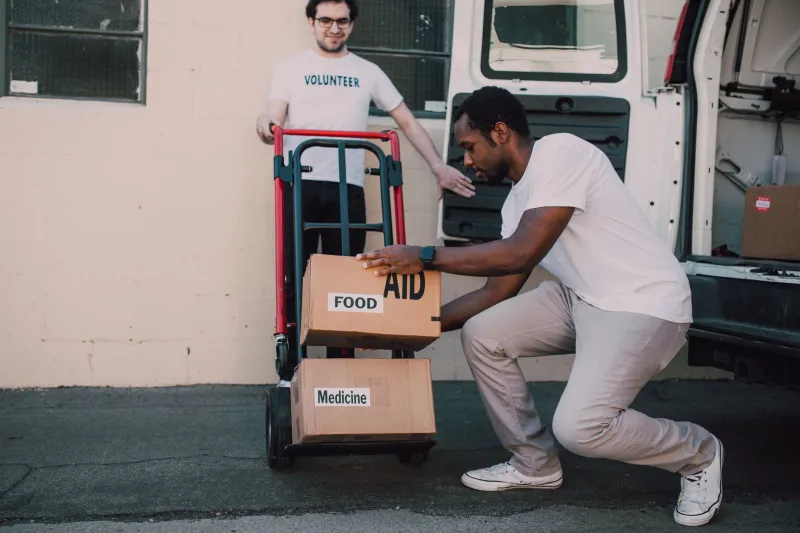
Food insecurity affects millions of American households, including families in the greater Geneva area. The potluck tradition, at its most intentional, is not indifferent to this reality. Several congregations have begun structuring their gatherings to include an open invitation to neighbors who may not be members — ensuring that the table is genuinely open, not merely symbolically so.
"The theology of the potluck only holds if the table is actually open," notes one lay leader involved in First UMC Geneva's community outreach programming. "If it's just a nice dinner for people who already know each other, we've missed the point. The radical part is the welcome."
Some gatherings have also incorporated food drives alongside the meal itself — participants bring a dish to share and a nonperishable item to donate, weaving generosity outward into the community even as they practice it inward.
Recovering What Was Almost Lost
For a congregation committed to progressive faith and whole-community engagement, the potluck revival is not merely nostalgic. It is theological. It is a practiced argument, repeated in fellowship halls and church basements across Geneva, that abundance is not something we wait to receive — it is something we create together.
The casserole dishes still arrive. The folding tables still sag slightly under the weight of contributions. Someone always brings too much potato salad, and someone else always forgets the serving spoon.
And in that beautiful, slightly chaotic abundance, something ancient and essential is renewed: the conviction that when we gather, we are fed — in ways that no delivery app has yet learned to replicate.